AI translation is officially everywhere, being both helpful in some situations while also being overused in far too many situations. While people are using ChatGPT and similar programs for everything nowadays, whether it’s to write emails, blog posts or even entire books, people are getting wise to noticing when a text looks like it has been written by AI – and losing interest in the text as a result. But if you’re a dab hand at writing AI prompts and getting it to rework the text, what’s the problem with using it for translation?
When you work in an international company, documents and paperwork can come in many shapes and forms, as can the reasons why business documents need to be translated into another language. For every document with an external use, such as marketing materials, proposals, and websites, there are tons of internal documents that need to be available in multiple languages too, such as company policies, financial statements, and reports.
I have translated hundreds of business documents, and lots of them are meant for internal use only. This sometimes includes training materials, which are either designed to be delivered to new employees or to help develop the skills of existing employees.
But, just because they are not going to be seen by the public, doesn’t mean that they shouldn’t be translated well or given less thought – after all, your employees’ opinions matter too! I have already covered why getting a colleague to do your translations is not a good idea, but it could also be a mistake to run your text through an AI program such as ChatGPT. Here are some of the challenges that I come across when I translate internal documents such as training materials.
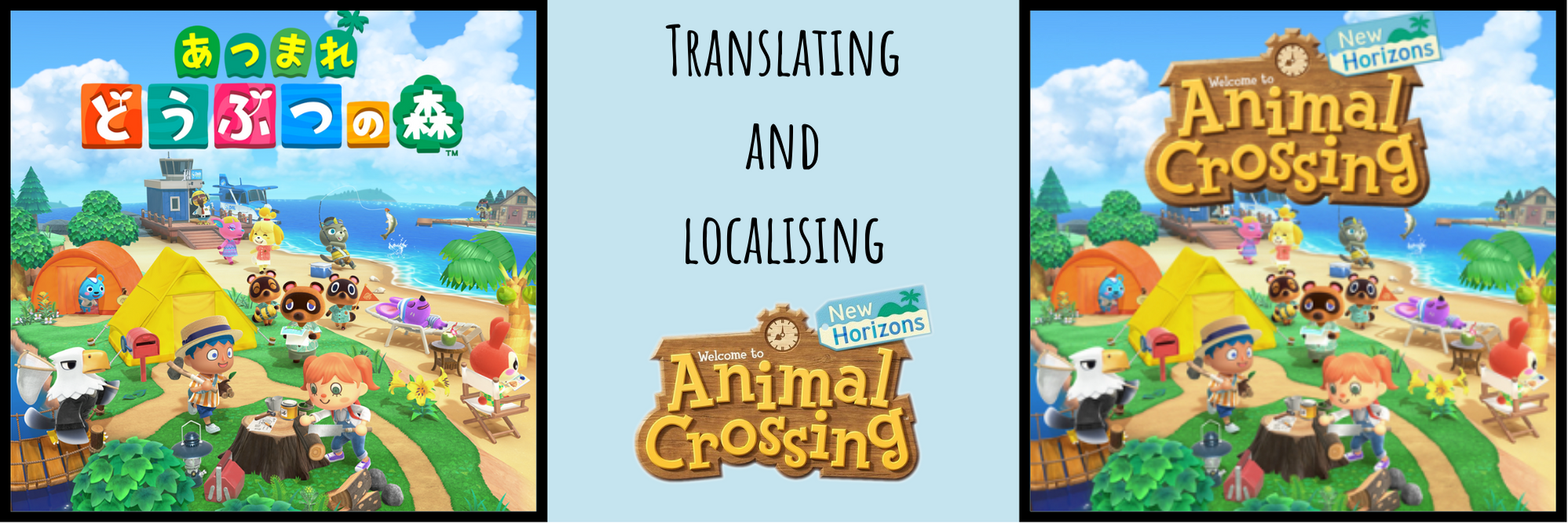
Even if you’re not into video games, you may have heard of Animal Crossing over the past year. With the Coronavirus pandemic, countries going in and out of lockdowns and what feels like a constant barrage of bad news, people have jumped at the chance to play Animal Crossing: New Horizons, Nintendo’s newest release of the now 20-year-old franchise, which offers a little bit of wholesome escapism as you build a life on a desert island alongside your animal neighbours.
Having sunk quite a few hours into the game myself (and not being familiar with the previous editions), I was delighted to discover all the tiny details in the game – and, as my translator brain never truly switches off, I was interested to see how the game was able to be adapted into so many other languages, encompass aspects from several different cultures, and yet still stay true to its Japanese origins. Here are a few examples!
On 6 and 7 March 2020, I attended the Chartered Institute of Linguists’ first two-day conference at BMA House in London. It was a very fruitful couple of days with a wide range of subjects: some very topical, such as Brexit and Interpreting at the Olympic Games, and some more practical, such as digital marketing and specialising in fields like public service interpreting.
Last week, I watched Les Misérables on stage for the first time ever. I know – I worked in a theatre for 9 years, but this particular show had passed me by. Partly because I live over 200 miles away from the West End so I mostly rely on shows touring to my part of the world, but also because my existing knowledge of the show painted it as a depressing tragedy, so I wasn’t exactly in a rush to see it.
But there’s a reason why it’s one of the longest-running musicals in the world: despite the sad events throughout, I found the performances incredible and it was hard not to get swept up with those iconic songs. Ever the linguaphile, the next day I looked up the original French soundtrack on YouTube to see how it compared with the English.
Humanity has been translating words from one language into another for thousands of years – from inscriptions in stone to religious texts, from books to films, and even songs.
But as any translator will tell you, sometimes it’s just impossible to copy everything into another language and expect it to have the same effect; some real creativity and ingenuity is needed to adapt the text to the new audience. Occasionally, the best solution is to leave some aspects behind in the original language, omitting certain parts in order for it to make sense – and be well received – in the new language. This is called translation loss.
Translators are often the unsung heroes of many business sectors – after all, it’s said that you know that a text has been well translated when you can’t even tell that it’s a translation. So what ARE translators working on behind the scenes – and how are they benefitting millions of businesses and individuals?
The benefits of being multilingual have long been proven. Studies have shown that aside from looking great on your CV, bilingualism boosts your cognitive and problem-solving skills, improves your memory, and even staves off Alzheimer’s.
Google Translate, and other machine translation (MT) programs, have come along in leaps and bounds in the last few years. Not only can we download apps where we can just type in words and instantly get a result in another language, but you can take photos of signs and get a translation straight away, and even instantly translate voice and video calls with the likes of Skype Translator. With the magic of deep learning technology, computers are able to “learn” more and in theory, improve the quality of their output the more it is used. Continue reading →
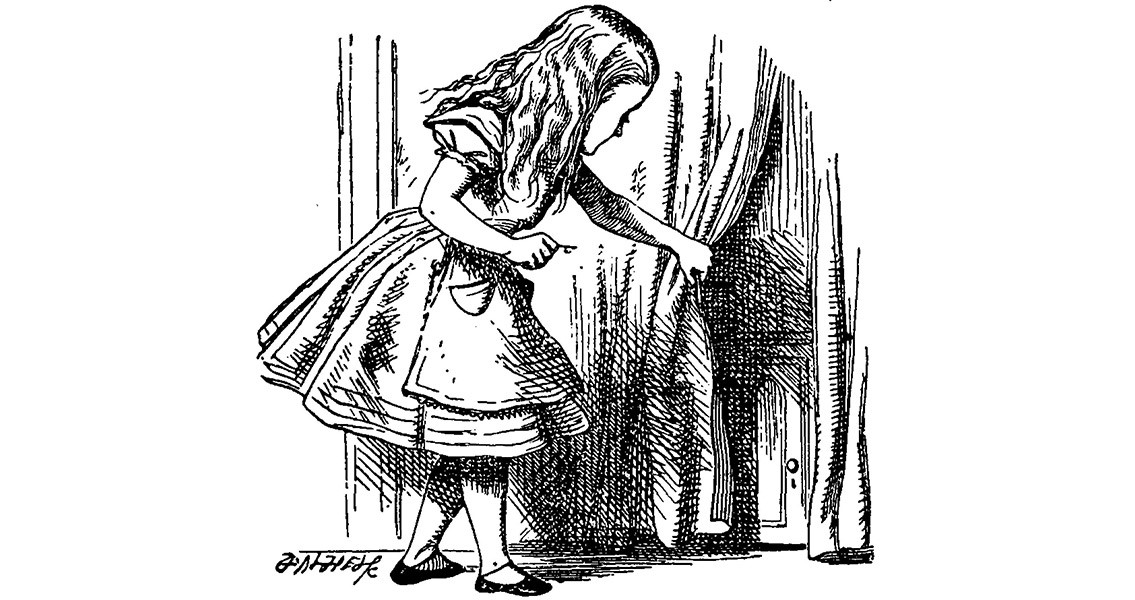
Today marks 151 years since Alice’s Adventures in Wonderland was published, so I thought I’d share with you a shortened (ish) version of what I wrote about during my Masters degree in Translation Studies, where I researched how on earth you would go about translating a fantasy, nonsense story, like Alice, into French.





 Bellingua Translations